
Call or Text 571-441-2233 to
Schedule a Consultation

Which Countries Aren’t Allowed to Visit the U.S. in 2026?
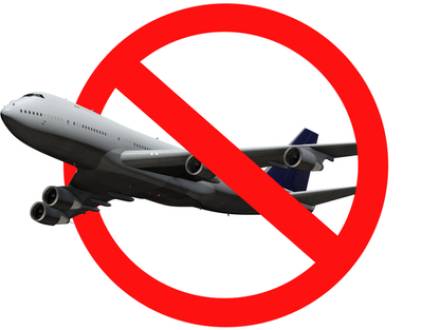 On December 16, the Trump Administration expanded the list of countries that have full or partial travel bans from visiting the U.S. Now there are 39 nations on that list, according to the American Immigration Council.
Families of American citizens and residents are stuck in limbo, not knowing when they will see each other again. Those who hoped to visit the U.S. for the 2026 World Cup, or to go to an American university, now have greatly reduced odds of making those dreams come true.
If you or a family member has been impacted by the Trump Administration’s travel ban, you should talk to a national immigration attorney. You may have more options than you realize for family-based immigration.
Countries Affected by the Trump Administration’s Travel Ban in 2026
The expanded travel ban affects 39 countries in total. Understanding which category applies to your situation is important because it determines which options may still be available to you.
The 20 countries under a full travel ban are:
Afghanistan, Burkina Faso, Chad, Republic of the Congo, Equatorial Guinea, Eritrea, Haiti, Iran, Laos, Libya, Mali, Myanmar, Niger, Sierra Leone, Somalia, Sudan, South Sudan, Syria, Yemen, Palestinian Authority-issued passport holders
The 19 countries under a partial travel ban are:
Angola, Antigua, Barbuda, Benin, Burundi, Cote d’Ivoire, Cuba, Dominica, Gabon, Gambia, Malawi, Mauritania, Senegal, Tanzania, Tonga, Togo, Venezuela, Zambia, Zimbabwe
8 U.S.C. Section 1182(f) gives the president broad power to prevent certain foreigners from coming into the country when their entry would be bad for U.S. interests. However, the scope and implementation of these bans is being legally challenged.
What Happens to Haitians and Venezuelans Whose Special Protection Status Ended?
The travel ban creates serious problems for people from Haiti and Venezuela who have Temporary Protected Status, or TPS. TPS is a program that lets people stay and work in the U.S. if their home country is too dangerous to return to because of war, natural disasters, or other emergencies.
The Trump Administration ended TPS for Haiti and Venezuela. Now, with the travel ban also in place, people from these countries may not be able to come back to the U.S. if they leave, even to visit family.
If you currently have TPS, do not travel outside the United States without talking to an immigration attorney first. If you leave, you may not be allowed back in.
Can I Still Bring My Family To The U.S. If They Are From A Banned Country?
Even with the travel ban, some family members may still be able to come to the U.S. Immediate relatives of U.S. citizens sometimes qualify for exceptions. Immediate relatives include spouses, unmarried children under 21, and parents of adult U.S. citizens.
Other relatives, like siblings or married children, face bigger challenges. However, every case is different. Your options depend on your family relationship, immigration history, and specific situation.
What Should I Do If The Trump Travel Ban Affects My Family?
If the travel ban impacts you or your family members, taking action quickly is important. Immigration policies can change, and windows of opportunity may be limited. An attorney with experience in immigration law can look at your case. There may be options you don’t yet know about.
Call A National Immigration Attorney Today
Our U.S. immigration lawyer at Immigration Legal Advisors, PLLC has over 20 years of experience handling complex immigration cases. Contact Immigration Legal Advisors, PLLC at 571-441-2233 today to learn about your options. Se habla español.


Puerto Rico Office
Condominio El Centro II, 500 Avenida Muñoz Rivera, Suite 221B, San Juan, PR 00918

With offices in Herndon, Virginia, Montgomery Village, Maryland, and San Juan, Puerto Rico, Immigration Legal Advisors, PLLC provides legal help to clients in the areas surrounding Washington, D.C., including Frederick, Leesburg, Ashburn, McNair, Stone Ridge, Reston, Chantilly, Germantown, Woodbridge, Potomac, Gaithersburg, McLean, Falls Church, Manassas, Olney, Takoma Park, Arlington, Alexandria, Bethesda, Chevy Chase, Silver Spring, Hyattsville, College Park, Greater Landover, Bowie, Rockville, Montgomery Village, and Millersville.
Results listed are not a guarantee or indication of future case results.
© 2026 Immigration Legal Advisors, PLLC
1037 Sterling Rd., Suite 201, Herndon, VA 20170
571-441-2233
